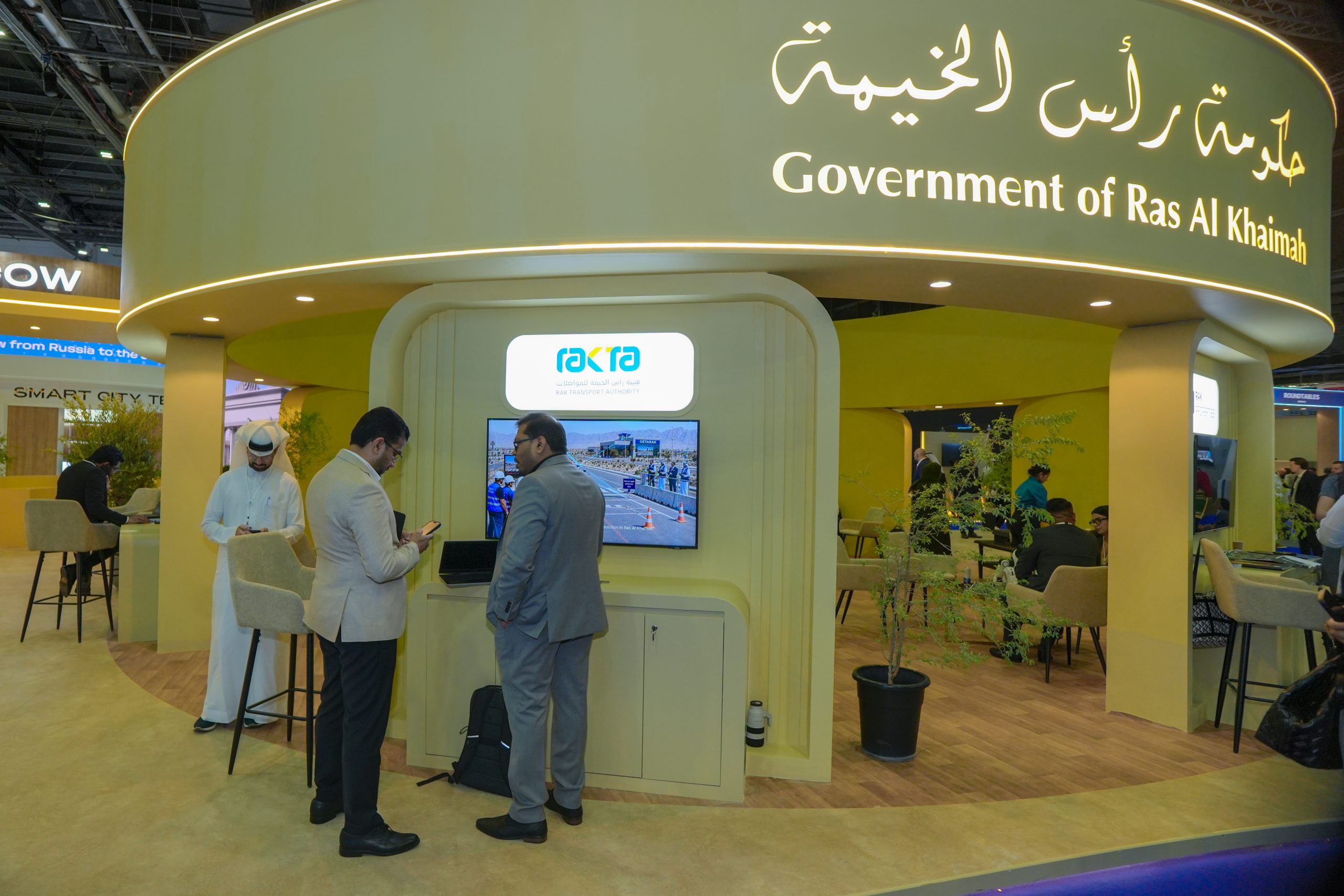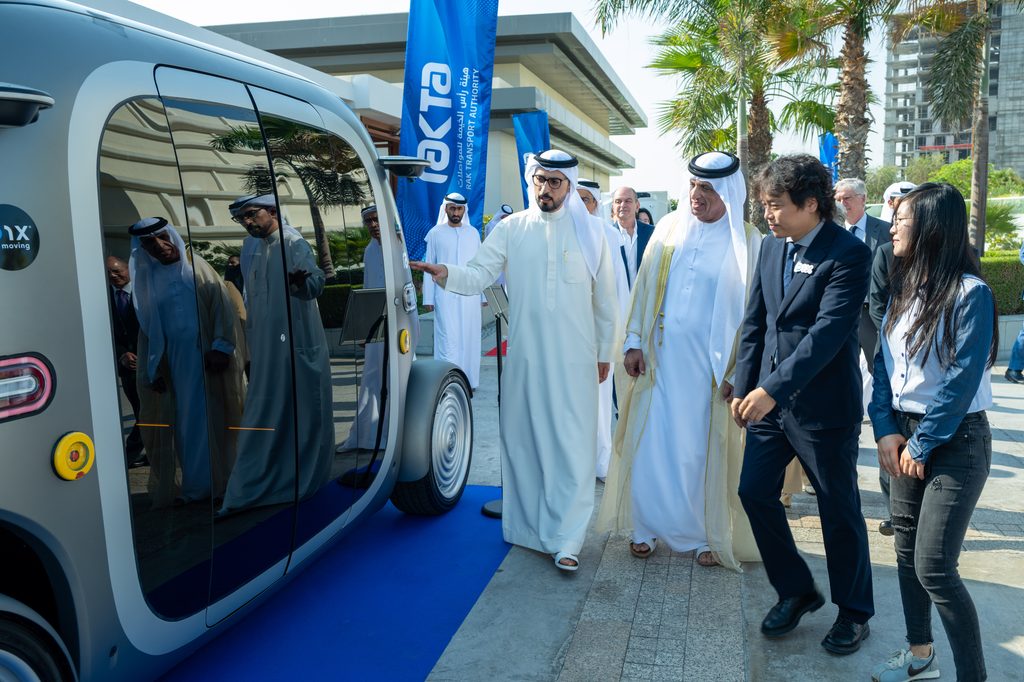
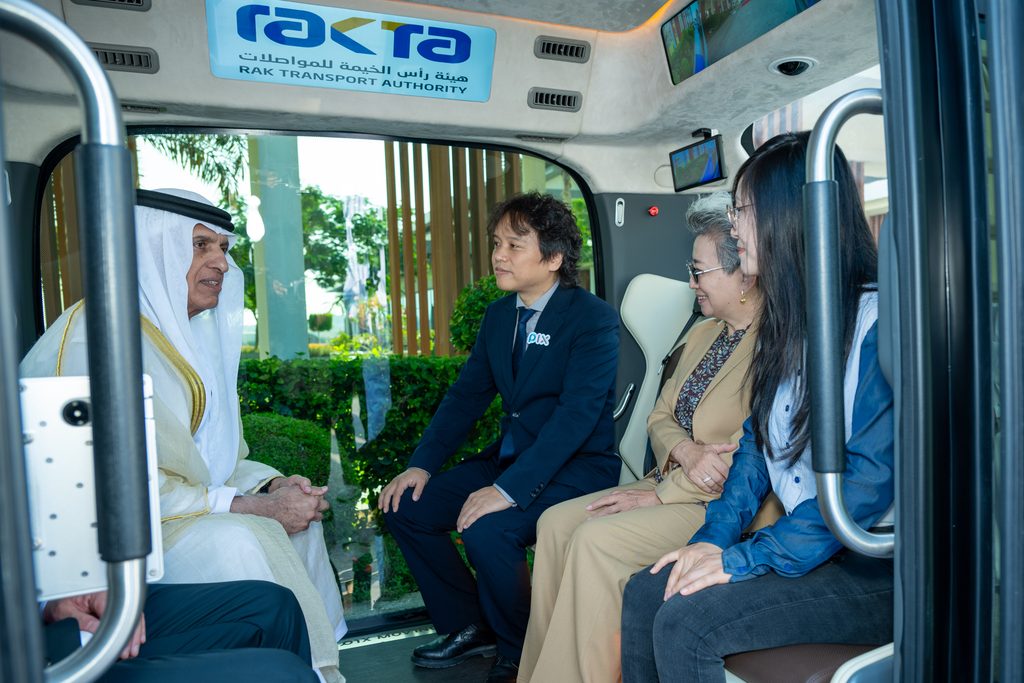
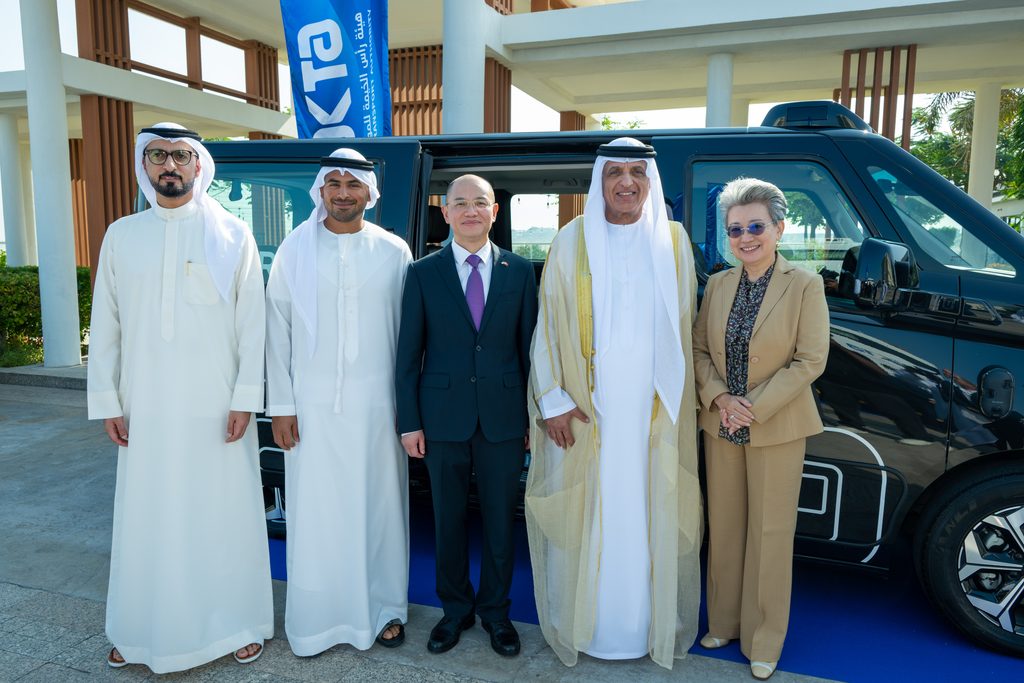
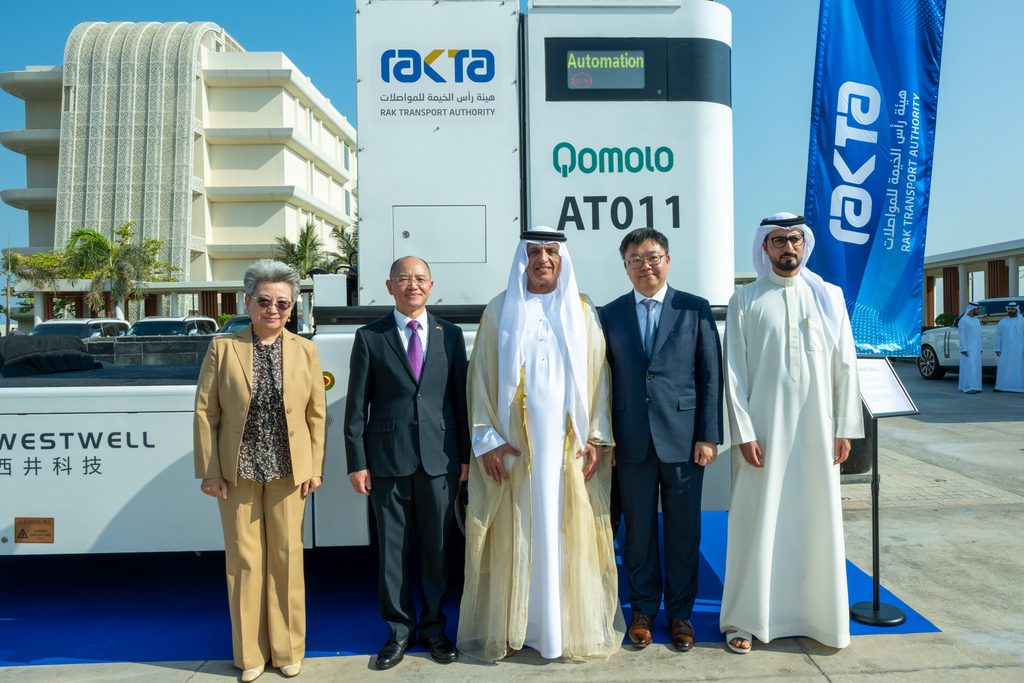
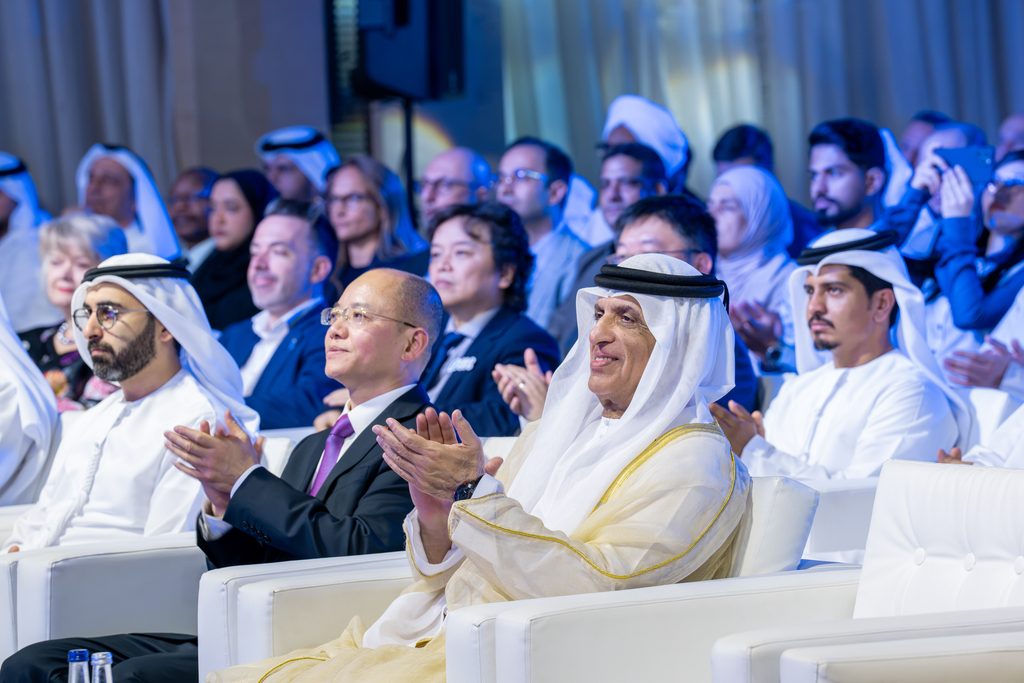
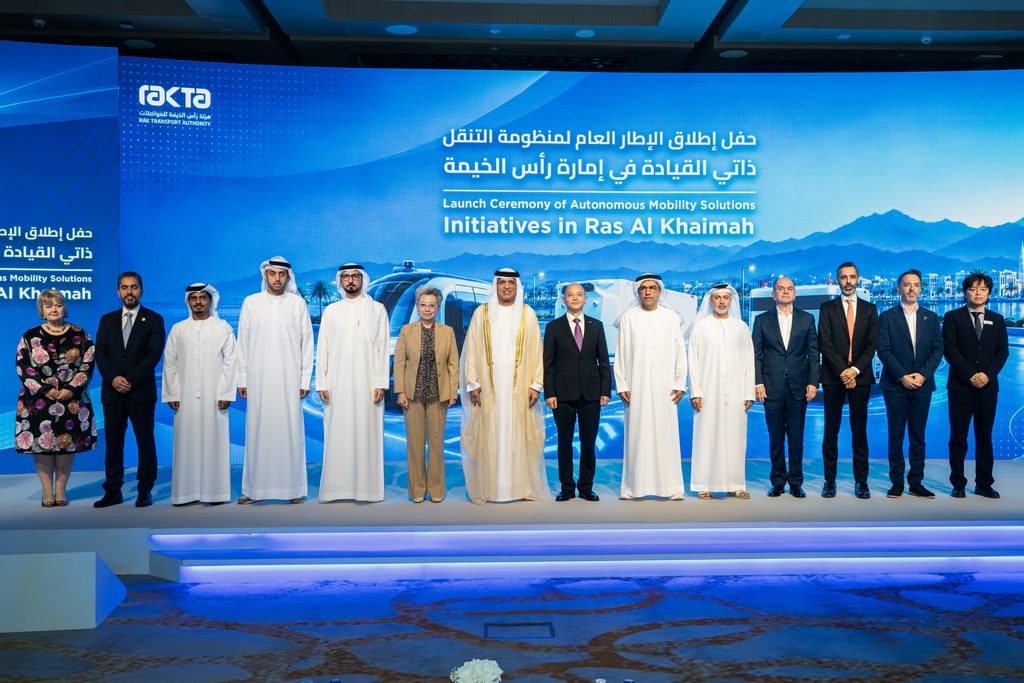
In the presence of His Highness Sheikh Saud bin Saqr Al Qasimi, UAE Supreme Council Member and Ruler of Ras Al Khaimah, H.E. Zeng[SM1] Jixin, Ambassador of the People’s Republic of China to the UAE, and H.E. Ms. Ou Boqian, Consul General of the People’s Republic of China in Dubai and the Northern Emirates, Ras Al Khaimah Transport Authority (RAKTA) launched a framework for an autonomous mobility ecosystem and announced the Autonomous Vehicle Sandbox initiative. The strategic step aims to establish an integrated environment for testing and evaluating advanced technologies, while strengthening Ras Al Khaimah’s readiness to attract global companies specializing in smart mobility solutions and autonomous vehicles.
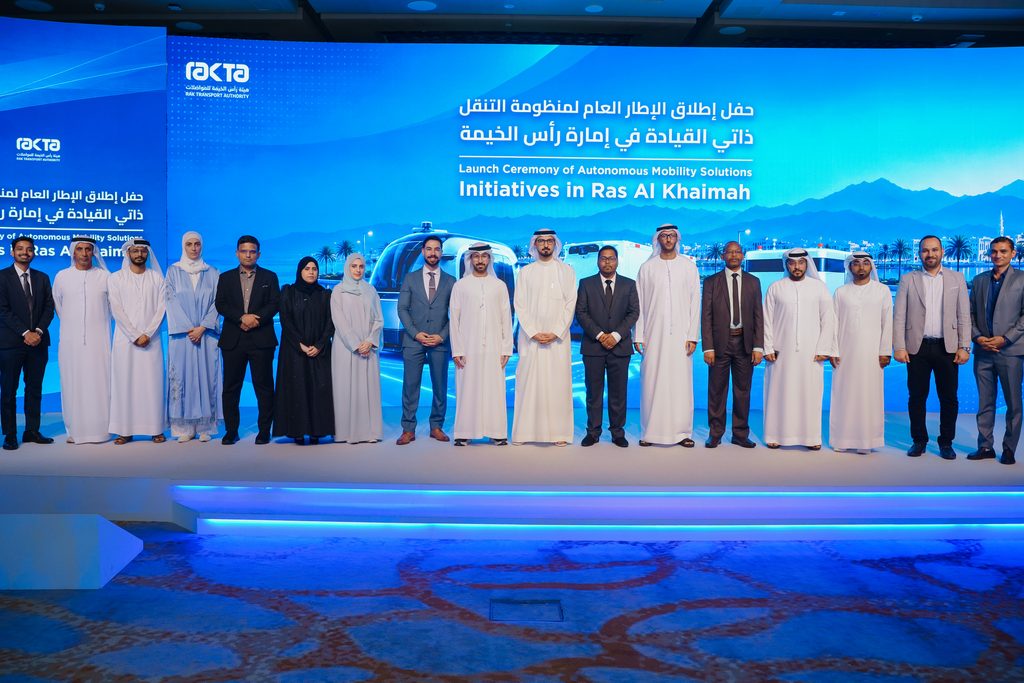
The launch took place during a ceremony organized by RAKTA at the InterContinental Ras Al Khaimah Mina Al Arab Resort, attended by a number of officials and representatives of government entities, technology companies, and academic and research institutions.
The framework forms part of RAKTA’s strategic direction to develop an integrated and smart transport ecosystem that anticipates the future of mobility and keeps pace with the rapid evolution of technologies and operational solutions. It aligns with the Authority’s master plan and its objectives to advance transport services, enhance operational efficiency, and promote sustainability. The ecosystem is built on the integration of regulatory, technical and operational readiness, providing an enabling environment for exploring, testing and evaluating emerging technologies, and establishing partnerships that help translate promising innovations into scalable and deployable solutions in accordance with approved safety requirements and regulatory frameworks.
An Integrated Testing Environment to Attract Global Companies
The Autonomous Vehicle Sandbox initiative is a key pillar of this ecosystem, providing a dedicated area for testing autonomous vehicles and their technologies, equipped with the facilities and routes required to conduct trials and technical assessments in an environment that simulates real-world operating conditions.
This environment enables technology developers and specialized providers to test their solutions, assess their performance under diverse conditions, and evaluate their readiness for commercial deployment. It also supports the advancement of these technologies and the validation of their efficiency and safety before progressing to trial phase, in accordance with approved regulatory frameworks and requirements.
The initiative reflects Ras Al Khaimah’s commitment to establishing the practical foundations needed to attract global companies operating in the autonomous mobility sector and enabling them to test and evaluate their technologies in a suitable environment. It also creates opportunities for collaboration with regulatory authorities, technology partners, and research institutions. The Sandbox further supports the development of an integrated ecosystem combining dedicated testing infrastructure, technical expertise, scientific research, and institutional collaboration, enhancing opportunities to develop advanced mobility solutions aligned with the Emirate’s needs and future ambitions.
This initiative builds on the autonomous vehicle testing and trials previously conducted in the Emirate, including the RoboBus autonomous bus trials on Al Marjan Island, which represented a practical milestone in testing autonomous mobility solutions under real-world conditions. Through the development of the Sandbox, RAKTA aims to build on the experience gained, expand the scope of testing and assessment, and establish an enabling environment for trialing different types of autonomous vehicles and technologies.
Ten Partnerships to Build an Integrated Autonomous Mobility Ecosystem
As part of efforts to enhance the Emirate’s readiness and strengthen coordination among relevant stakeholders, the ceremony witnessed the signing of ten partnership agreements with government and institutional entities, companies specializing in autonomous mobility, and academic and research institutions. These partnerships support the development of the autonomous mobility ecosystem and expand cooperation in technical assessment, testing, scientific research, and the development of operational solutions.
The partners include RAK Properties, Ras Al Khaimah Economic Zone (RAKEZ), Ras Al Khaimah Chamber of Commerce and Industry, Ras Al Khaimah Innovation City, AutoLogix, CargoX, PixMoving, Westwell, the American University of Ras Al Khaimah, and Heriot-Watt University Dubai.
The partnerships bring together complementary capabilities to support the various requirements of the ecosystem. Government and institutional partners contribute to strengthening the regulatory and economic environment and providing the foundations needed for sector development. Autonomous mobility solutions companies support the exploration of autonomous vehicles and their applications in mobility services, logistics, and industrial transport. Academic and research institutions contribute to scientific research, technical assessment, and the evaluation of safety requirements, reinforcing an integrated approach that brings together diverse expertise and specializations in safety testing methodology.
This collaboration reflects RAKTA’s vision of building an ecosystem that extends beyond providing a dedicated testing site to encompass the partners, expertise, and infrastructure required to support the entire technology deployment process. This includes testing and assessment, validation of technical and operational readiness, and the evaluation of potential applications in accordance with approved regulatory frameworks and international standards. It also strengthens the Emirate’s ability to attract specialized companies and creates broader opportunities for collaboration, investment, and innovation in the advanced mobility sector.
Expanding Autonomous Vehicle Applications in Line with RAKTA’s Strategic Direction
Alongside the development of the Sandbox and the strengthening of partnerships, RAKTA continues to test autonomous vehicle solutions and expand their assessment across different operating environments. In this context, the expansion of RoboTaxi autonomous vehicle testing in Al Dhait South aligns with the Authority’s strategic direction to advance the mobility ecosystem and build on the results of previous field trials conducted in the Emirate.
During the testing phases, the RoboTaxi autonomous vehicles have covered more than 21,000 kilometers, generating operational experience and data to support the assessment of vehicle performance under real-world conditions and the evaluation of their readiness and operational requirements.
The expansion of testing in Al Dhait South builds on the initial testing phase that commenced on Al Marjan Island in early 2026 and reflects RAKTA’s phased approach to evaluating autonomous mobility solutions across different locations and operating environments. This approach supports the future integration of these solutions into Ras Al Khaimah’s wider transport ecosystem.
His Excellency Eng. Esmaeel Hasan Al Blooshi, Director General of RAKTA, stated that the launch of the framework for the autonomous mobility ecosystem and the Autonomous Vehicle Sandbox initiative reflects the Authority’s commitment to building an integrated ecosystem underpinned by regulatory and technical readiness, with the necessary capabilities to test and evaluate advanced technologies, thereby strengthening the Emirate’s ability to keep pace with global developments in the transport sector.
He said: “Ras Al Khaimah Transport Authority is working to establish an integrated environment that supports the testing, and validation of autonomous mobility technologies, while providing specialized companies with the capabilities needed to assess their solutions and validate their readiness under conditions that simulate real-world operations. The Autonomous Vehicle Sandbox represents an important step in this direction. Its role extends beyond providing testing facilities and routes to creating an environment that brings together field testing, technical assessment, and specialized expertise. This will strengthen Ras Al Khaimah’s readiness to attract global companies operating in this field and create opportunities to develop future mobility solutions that meet approved safety requirements and regulatory standards.”
His Excellency added: “Building an integrated autonomous mobility ecosystem requires coordinated efforts among government entities, autonomous mobility solutions companies, and academic and research institutions, as reflected in the partnerships signed during the ceremony. Through these partnerships, we aim to leverage advanced technologies and expertise, support scientific research and technical assessment, and develop the environment required to test solutions and evaluate their potential applications.”
His Excellency concluded by reaffirming that RAKTA will continue working with its partners to develop a future-ready mobility ecosystem that supports innovation and knowledge exchange and provides an enabling environment for testing and validation of the solutions. These efforts will enhance Ras Al Khaimah’s competitiveness and its ability to attract specialized companies and high-value investments, while contributing to the advancement of the transport sector and the quality of services provided to the community.
RAKTA continues to implement its strategic direction to develop an integrated transport ecosystem by combining strategic planning, dedicated testing environments, strengthened partnerships, and the measured expansion of autonomous mobility applications. These efforts support innovation and sustainability while reinforcing the Emirate’s readiness for the future of mobility.